Masonry repair
Masonry — Repair
Fixing the cause as well as the damage, so the repair is still holding up after the next few winters.
Most masonry problems start with water. Mortar softens, a joint opens, water gets in, freezes and pushes a face off a brick. Repairing only what is visible means doing it all again in a couple of years, so we trace the problem back to where the moisture is coming from before we pick up a trowel.
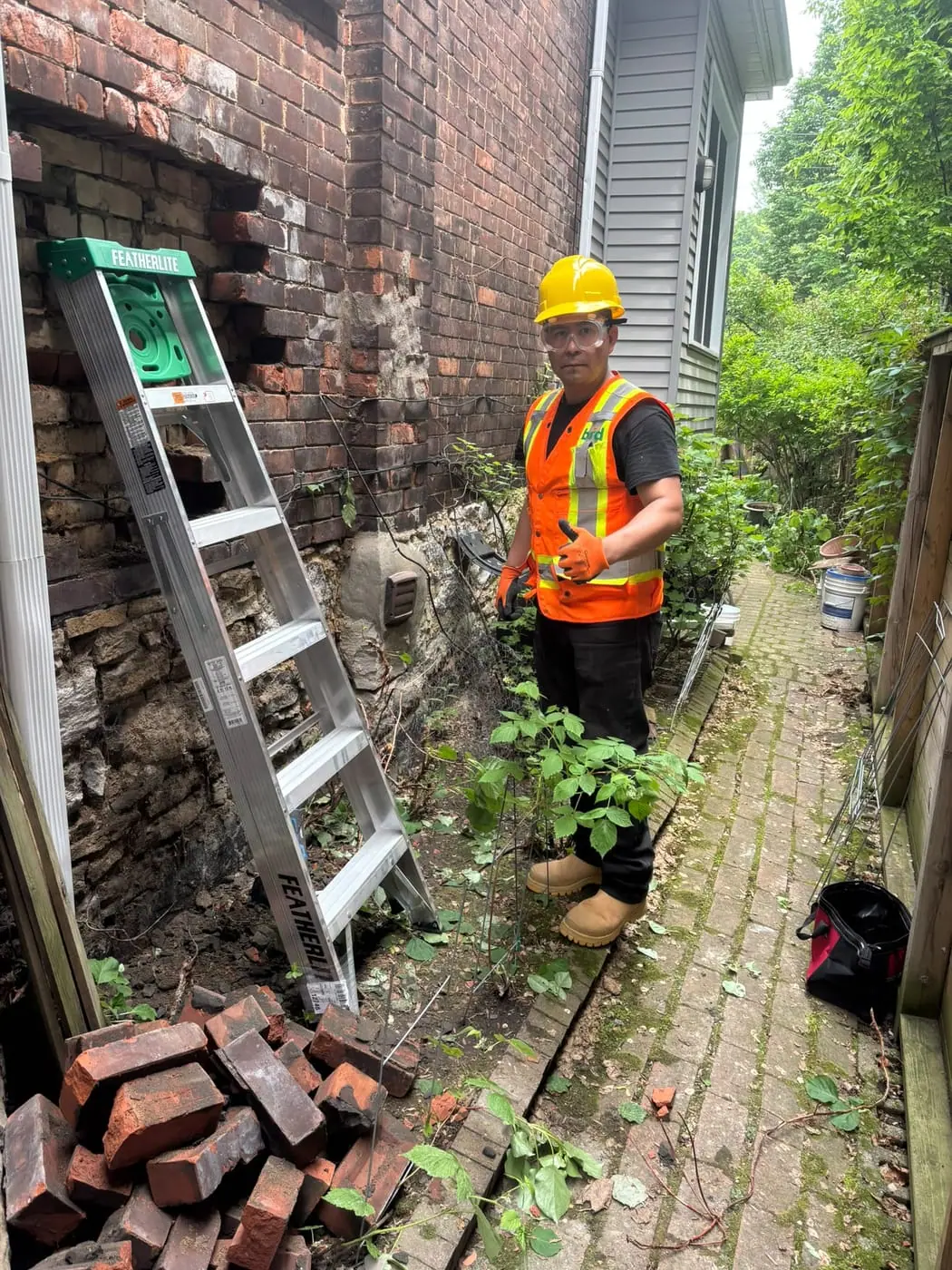
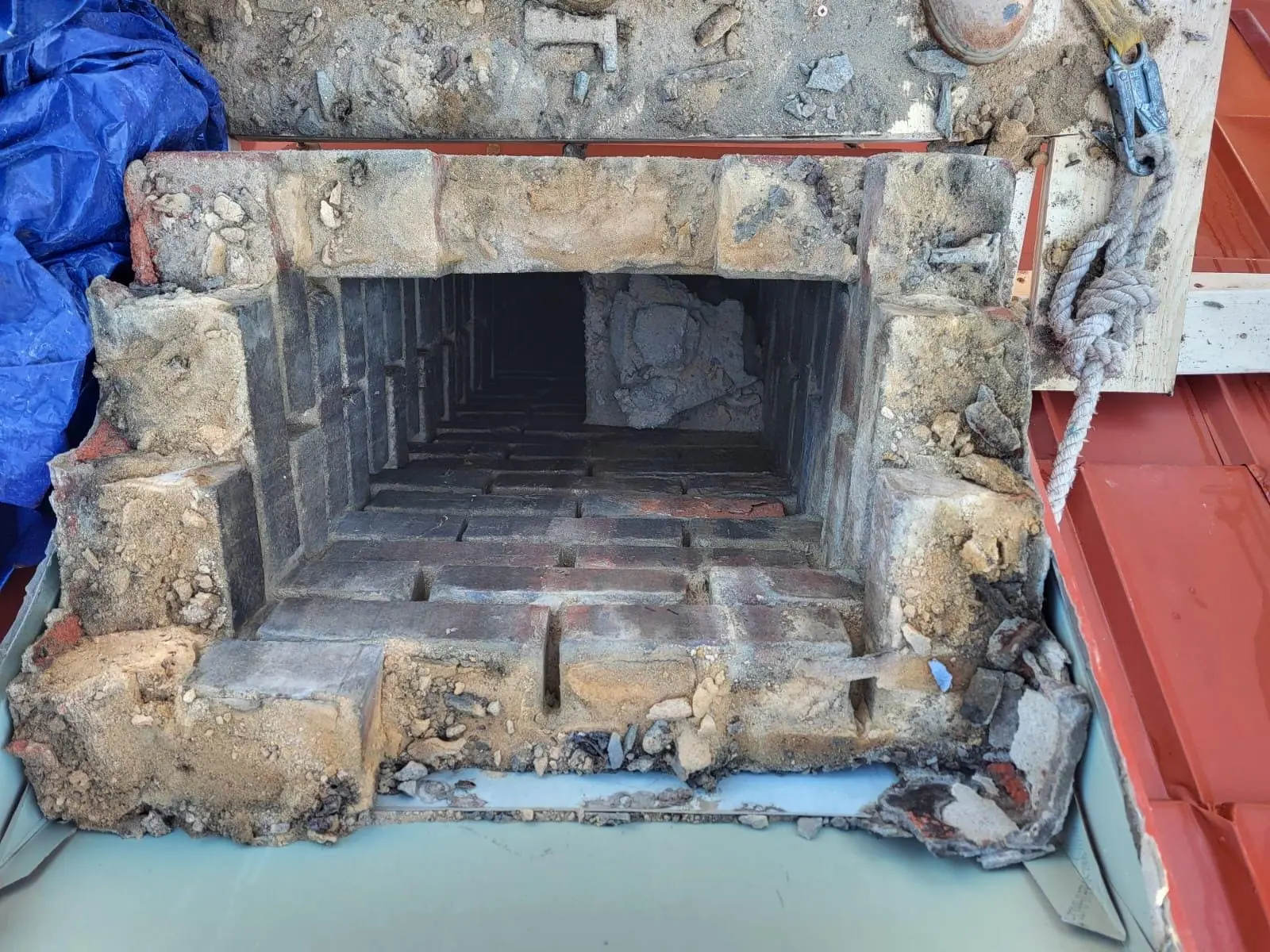
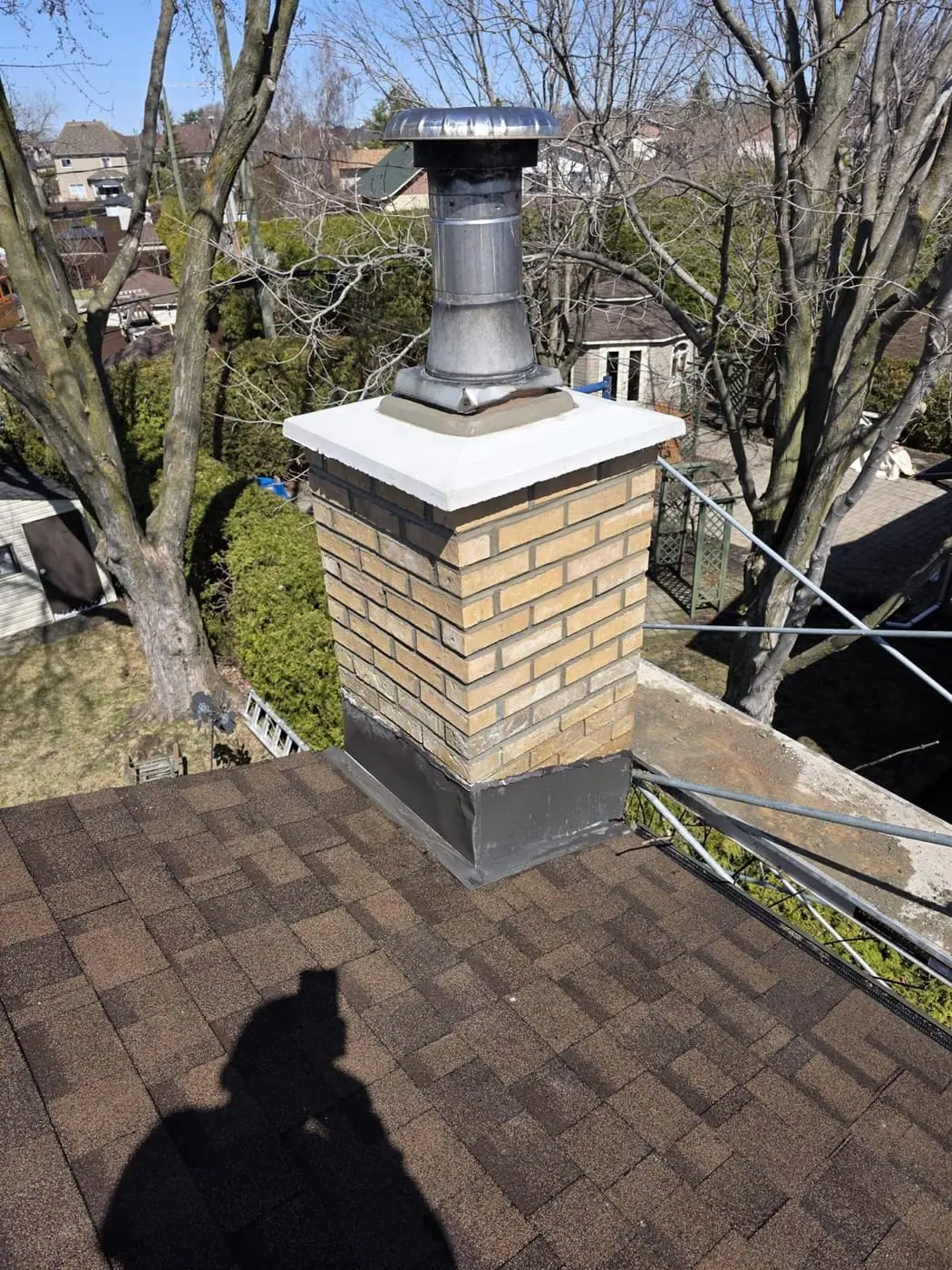
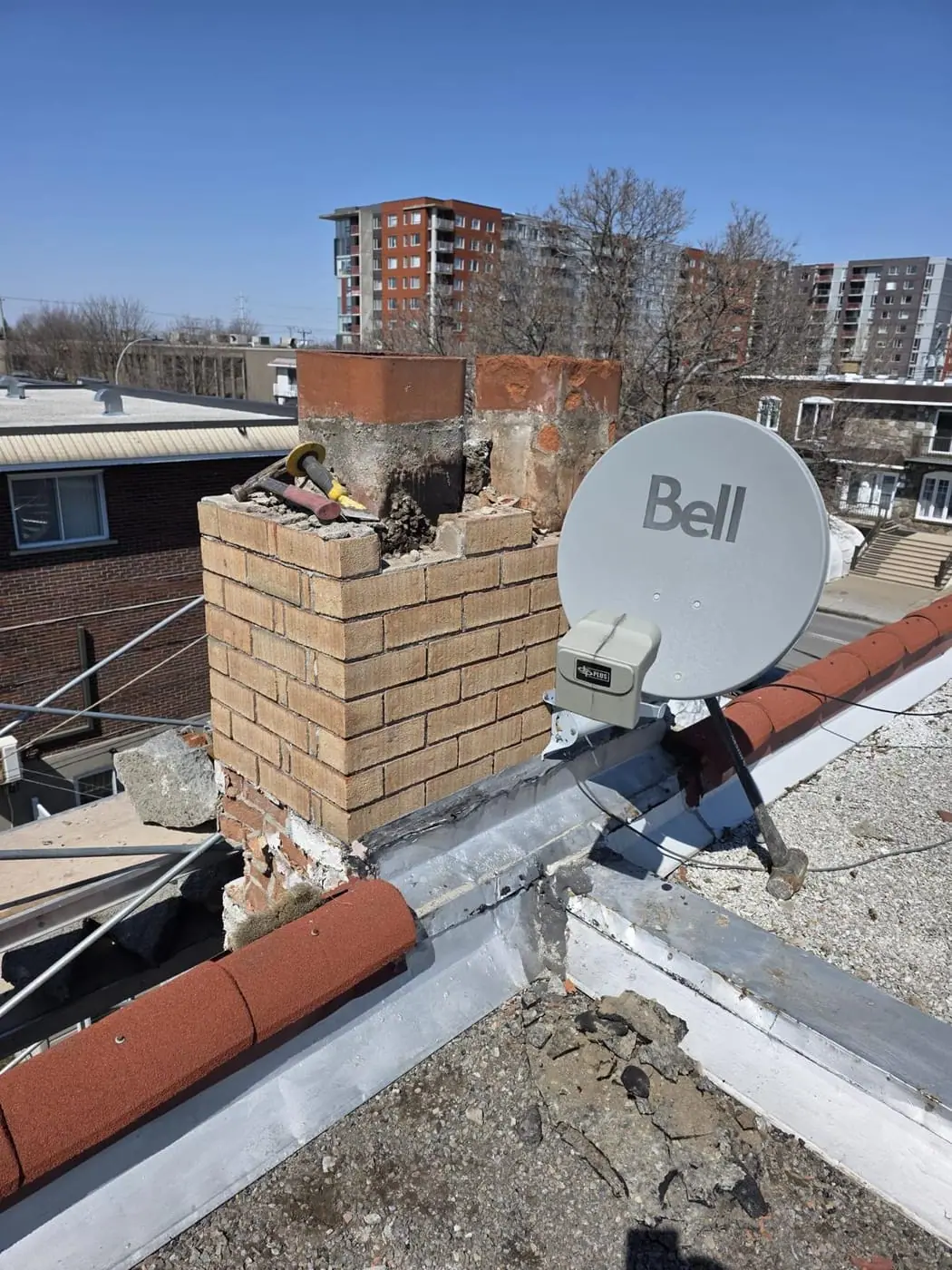
Typical repair jobs include repointing tired mortar joints, replacing spalled or cracked bricks, rebuilding crumbling steps and porch walls, resetting loose copings and caps, and rebuilding the tops of chimneys that have deteriorated above the roofline.
Raking out failed mortar and re-filling with a mix suited to the brick or stone.
Cutting out damaged units and bonding in matching replacements.
Rebuilding settled, cracked or crumbling steps, cheek walls and landings.
Rebuilding deteriorated chimney tops, setting caps and flashing details.
Closing or reopening openings so the new masonry ties into the old.
Stair-step cracks, bricks with missing faces, mortar you can scratch out with a key, a chimney that is shedding brick, or a step that has dropped away from the house are all good reasons to get a second opinion before winter.
No. Repointing replaces the mortar between sound bricks. If the bricks themselves are failing, sections may need to be taken down and rebuilt.
Often, yes. It depends on height and access, and we will explain what is needed when we visit.
Wide or growing cracks, bowing walls and steps pulling away from the building are worth having looked at promptly. We will tell you honestly if we think another professional should be involved.
Planning masonry work, a renovation or a larger contracting project?